

Navigating the Heat: Strategies to Protect Seniors During Extreme Temperatures
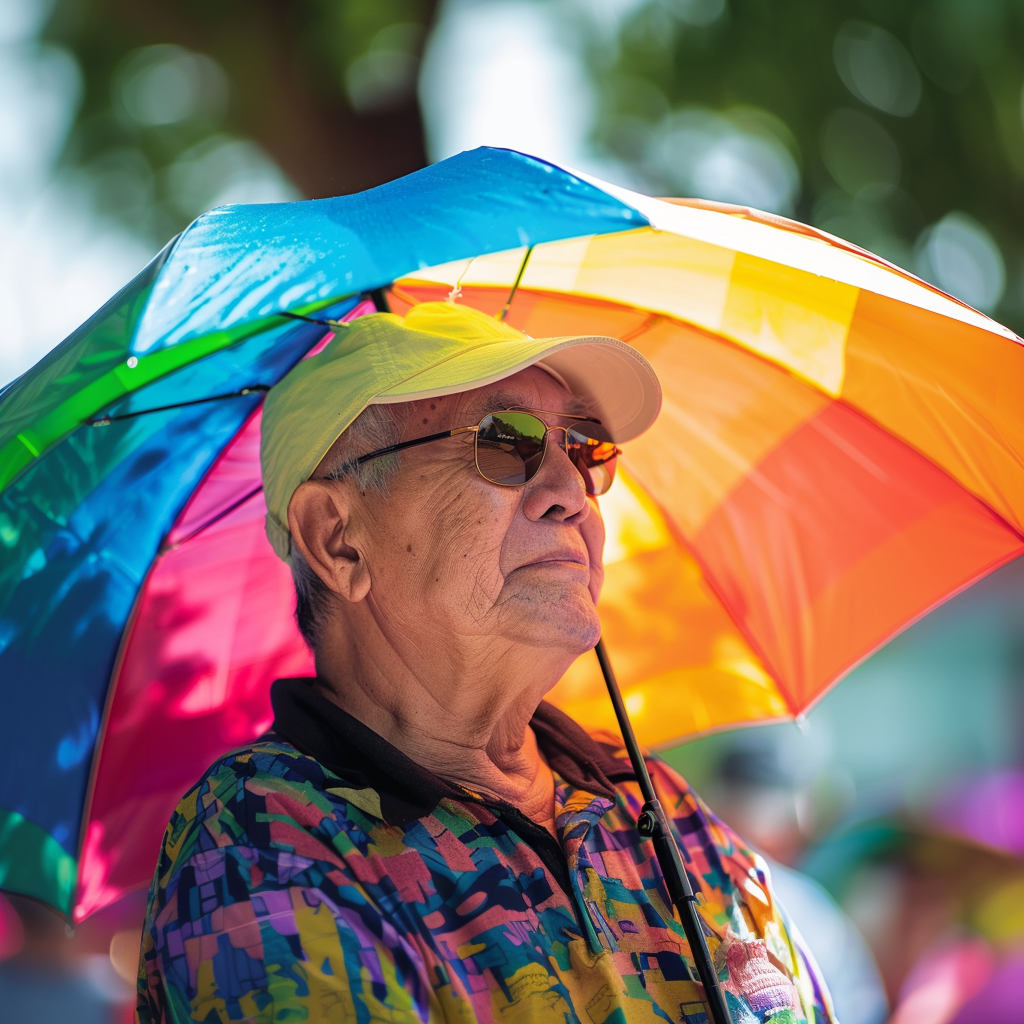
Exploring the vulnerabilities of older adults to heatwaves, recent research underscores the critical role of functional health beyond age in determining heatwave mortality risks. This deep dive into the lives of over 13,000 Chinese seniors reveals that difficulties in mobility, daily activities, cognition, and social isolation markedly increase the dangers posed by high temperatures. Interestingly, the study suggests that advanced age alone isn't as significant a risk factor as previously thought when these functional aspects are considered.
The findings pivot the conversation towards a more nuanced understanding of heatwave resilience, emphasizing the importance of addressing functional declines in the elderly. By focusing on enhancing daily functionality and fostering social connections, there's a promising pathway to mitigating the lethal impact of heatwaves. This approach advocates for targeted prevention strategies that are finely tuned to the specific needs of vulnerable seniors, potentially saving lives during extreme weather conditions.
The insights gained here are pivotal, inviting a reevaluation of how society prepares for and responds to the challenges posed by climate change. It's a call to action for more personalized, proactive health and social care interventions that could shield our aging population from the hidden dangers of rising temperatures.
Risk factors associated with heatwave mortality in Chinese adults over 65 years
Published in Nature Medicine. Di Xi et al.
Abstract
Aging populations are susceptible to heat-related mortality because of physiological factors and comorbidities. However, the understanding of individual vulnerabilities in the aging population is incomplete. In the Chinese Longitudinal Healthy Longevity Survey, we assessed daily heatwave exposure individually for 13,527 participants (median age = 89 years) and 3,249 summer mortalities during follow-up from 2008 to 2018. The mortality risk during heatwave days according to relative temperature is approximately doubled (hazard ratio (HR) range = 1.78-1.98). We found that heatwave mortality risks were increased for individuals with functional declines in mobility (HR range = 2.32-3.20), dependency in activities of daily living (HR range = 2.22-3.27), cognitive impairment (HR = 2.22) and social isolation reflected by having nobody to ask for help during difficulties (HR range = 2.14-10.21). Contrary to current understanding, older age was not predictive of heatwave mortality risk after accounting for individual functional declines; no statistical differences were detected according to sex. Beyond age as a risk factor, our findings emphasize that functional aging is an underlying factor in enhancing heatwave resilience. Assessment of functional decline and implementing care strategies are crucial for targeted prevention of mortality during heatwaves.


Bring preventive care to your clinic








© Longevity Artificial Intelligence. All rights reserved.